
There’s a special kind of silence that hits when production goes down at 2 AM.It’s not at all peaceful.It’s the kind that hums with panic.
You’re staring at failing tests, logs that make no sense, and a Slack channel that suddenly woke up like a horror movie.Every ping feels personal. Every line of code looks suspicious.
This moment, the chaos, the pressure, the dread, is where great engineers are built.
The Rule
The 2 AM Debug Rule is simple:
The calmer you stay, the faster you fix.
It’s not about heroics or typing speed, but about mindset under fire.
When everything breaks, your biggest weapon isn’t your IDE or your automation framework.It’s your ability to slow the hell down.
Why Panic Feeds Bugs
When panic sets in, your brain goes into tunnel vision.You stop seeing patterns. You skip small details. You chase false positives.
It’s the mental equivalent of brute-forcing your way through an interview question. You’re coding reactively, not reasoning systematically.
That’s why seasoned SDETs and QA engineers rarely look “rushed.” They move with eerie calm because they’ve learned that speed comes from clarity, not chaos.
How to Stay Grounded When It’s 2 AM
Here’s what separates engineers who spiral from those who stay steady:
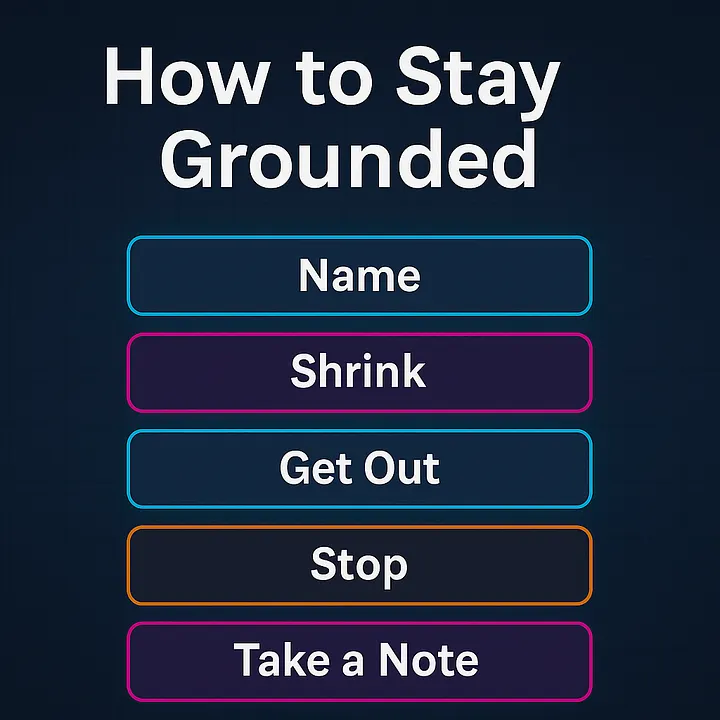
1. Name the Symptom, Not the Emotion
Instead of “everything’s broken,” say “this endpoint is returning a 500 on POST /user.”You can’t fix a feeling, but you can debug a fact.
2. Shrink the Problem
Don’t debug the world. Debug the smallest piece you can isolate.If you can reproduce it, you can fix it. If you can’t reproduce it, you can’t even start.
3. Get Out of Your Head
Say your thought process out loud, or better yet, write it down.Externalizing your logic stops the panic loop and forces structure back into the chaos.
4. Stop Touching Everything
If your first move is to “just rerun the job,” stop.Observation before intervention.You can’t trust data you’ve already contaminated.
5. Take a Breath. Then Take a Note.
Document as you go.It’s not just about future you. It’s for the next person who hits the same nightmare at 2 AM.They’ll bless your name.
The Quiet Confidence of a Calm Debugger
When something breaks, everyone’s eyes shift to the calmest person in the room.Not the loudest. Nor the fastest.The calm one.
That person doesn’t guess. They reason. They think in hypotheses, not panic.
And nine times out of ten, they’re the one who finds the line that caused the fire. Not by magic, but by staying in control when everyone else lost it.
That’s the mindset every great QA engineer builds, not just for 2 AM outages, but for every chaotic sprint review, every surprise bug.

Why It Matters Beyond the Incident
The same mindset that saves you in a 2 AM outage is what helps you in interviews, new roles, and career plateaus.You’ll never stop running into things that break.But you can control whether you react or respond.
That’s the real test. Not whether you can debug fast, but whether you can debug without breaking yourself in the process.
Learn frameworks, not just fixes.